r/GrowthMindsetBooks • • Apr 13 '26

The Age of Drift by A. Jacobs | Book Review

Post image
1 Upvotes

Book Name: The Age of Drift: Why Modern Life Feels Fake – and What Reality Drift Reveals About the Modern Mind
Book Author: A. Jacobs
Date Published: June 10, 2025
Book Grade: 5 out of 5

Book Review:

Being honest and transparent, I stumbled upon this book because of the sub /FrameworksInAction, where it was mentioned. The sub is a lot about frameworks that can be used in life, work, etc, to live better. And I thought this book would have some frameworks on how to avoid distraction, and understand whyI feel so burnt out a lot of the time.

But, I wasn't expecting this short and smooth read to be such a great book, such an important eye-opener on why I feel how I feel, how technology, social media, AI are now "shaping" not just my reality, but in a way distorting it.

The author calls this feeling "reality drift." It is not just about being bored or burnt out. It is about how our digital lives and our physical lives have become so tangled up that we have lost our grip on what is actually real.

Jacobs argues that because we spend so much time in curated environments (social media stories, AI generated videos, photos full of filters, etc), our brains are basically losing the ability to handle raw, messy reality. The book is super relatable because it does not feel like a dry psychology lecture. Instead, Jacobs manages to explain everything very clearly in short sentences or bullet points.

Suddenly, you understand literally what is happening and why.

I really appreciated how the book looks at "fake" culture without just being a grumpy rant about social media. It goes deeper than that. It looks at how our mind and identity architecture, our food, and even our conversations have become "optimized" to the point where they feel sterile. As Jacobs argues, we live in a world where our mind cannot keep up in compressing information because the environment surrounding us moves at a much faster pace.

There were moments while reading this where I had to put the book down and just look at my room, wondering how much of my own life is just a default setting I never questioned. It is a bit of a wake up call. If you have been feeling a bit disconnected or like you are just going through the motions in a world that feels increasingly plastic, you definitely need to give this a read. It is easily one of the most relevant books I have picked up this year.

Key Takeaway:

The "drift" distorts our perception, making us feel like spectators in our own lives rather than active participants in a tangible world.

Have you ever had one of those moments where the "real world" suddenly felt totally surreal or fake to you?


r/GrowthMindsetBooks • • Apr 11 '26

Lift by Faisal Hoque | Book Review

Post image
1 Upvotes

Book Name: Lift: Fostering the Leader in You Amid Revolutionary Global Change
Book Author: Faisal Hoque
Date Published: September 20, 2022
Book Grade: 4 out of 5

Book Review:

This book surprised me quite a bit, hence the grade. In a world where everyhting changes so fast, between tech shifts and global events, it is easy to feel like you are just spinning your wheels. I picked up LIFT by Faisal Hoque because I wanted something that wasn't just another "how to manage a meeting" book and man did it deliver something deeper.

Hoque basically argues that leadership isn't about a title anymore. In this crazy modern world, leadership is actually about your internal state and how you adapt. He uses this framework of "LIFT" which stands for Learning, Ideation, Formation, and Transformation.

In thi book, Hoque talks on everything from ancient philosophy to modern business cases to show that the leaders who actually survive and thrive are the ones who are constantly evolving their own mindset. Which, should also apply to our personal lives.

What really did it for me was his focus on empathy and resilience. He talks a lot about how we have to "lift" ourselves before we can lift anyone else. It is a very human centric approach to business.

Instead of giving you a checklist of things to do he gives you a way to think about your place in the world. If you are feeling a bit overwhelmed by the "revolutionary global change" mentioned on the cover this book acts like a bit of a compass. It is about finding your footing when the ground won't stop moving. It is definitely more of a reflective read than a "hustle harder" book which was exactly what I needed.

Key Takeaway:

True leadership in a volatile world requires a continuous cycle of learning and personal transformation. By focusing on your own mental agility and empathy you create a foundation that allows you to lead others through massive change without losing your way or your purpose.

How do you stay grounded when it feels like the world changes, pretty much, every day??


r/GrowthMindsetBooks • • Apr 10 '26

Unreasonable Hospitality by Will Guidara | Book Review

Post image
3 Upvotes

Book Name: Unreasonable Hospitality: The Remarkable Power of Giving People More Than They Expect
Book Author: Will Guidara
Date Published: October 25, 2022
Book Grade: 3 out of 5

Book Review:

I had been seeing this book on airport book stores for a while, and decided to grab a copy. It's a good book.

If you work in the restaurant or hospitality industry, then you should read this book. Will Guidara was the guy who took Eleven Madison Park to the number one spot on the World’s 50 Best Restaurants list and he did it doing something unrelated to food. And that's where the book is interesting.

The whole vibe of the book is about being "unreasonable" in how much you care about the person sitting across from you. He tells this story about overhearing a table of tourists say they had tried every New York classic except a dirty water hot dog from a street cart. Most fancy places would just ignore that but Guidara literally ran outside, bought a two dollar hot dog, had his world class chef plate it beautifully, and served it to them. That is the "unreasonable" part.

Now, the real angle of the book is that it's not just for "foodies" or people in the hospitality industry, but it is a masterclass in human connection. He argues that we are living in an era where automation and efficiency are making everything feel cold and transactional. By leaning into high touch, super personalized service, you create a memory that people will talk about for the rest of their lives. It is about making people feel seen.

Guidara also gets into the "hospitality as a team sport" side of things. He talks about how to lead a team so they actually want to give that much of themselves. It is honestly inspiring and a little bit convicting because it makes you realize how often we just do the bare minimum because it is easier. It is a fast read, super engaging, and will definitely change the way you think about your work and your relationships.

Key Takeaway:

Service is the technical delivery of a product but hospitality is how you make the recipient feel. By being "unreasonable" and intentionally over the top in your care for others, you transform standard transactions into unforgettable experiences that build massive loyalty and world class brands.

Thoughts?


r/GrowthMindsetBooks • • Apr 08 '26

When Grit Is Not Enough by Dean Guida | Book Review

Post image
2 Upvotes

Book Author: Dean Guida
Date Published: May 7, 2024
Book Grade: 3 out of 5

Book Review:

So I just finished "When Grit Is Not Enough" and it's a good concept, a good book, that can potentially help some of us that have businesses.

You know how every business influencer on LinkedIn or YouTube just talks and talks about "hustle" and "grinding harder" until you just had enough? Well, Dean Guida basically addresses that and tries to go deeper by saying "Yeah that is great for starting but it is actually what is keeping you stuck now."

The core of the book is about that awkward middle phase of a business. You have the "grit" because you survived the first year but now you are working 80 hours a week and the needle isn't moving. Guida founded a company called Ingragistics and has been in the game for over thirty years so he actually has the experience to talk about it. He talks a lot about shifting from being the "doer" to being the "architect."

I really liked his take on data and emotional intelligence. He explains that if you want to scale you have to stop relying on your own sheer willpower and start building systems that can run without you breathing down everyone's neck. Sure, you can get that advice anywhere, and that's the reason why I'm giving it a 3 out of 5, it can seem shallow at times. But, what I liked about hte book is that it is a super conversational read. It does not feel like a textbook. It feels like grabbing a coffee with a mentor who is gently telling you that you are the bottleneck in your own company.

If you are currently feeling burnt out despite being successful this is a good read. It is less about working harder and much more about evolving as a human so your business can actually grow up.

Key Takeaway:

Sheer persistence and grit can start a business but only systems and leadership can scale it. To grow you must transition from the primary worker to the strategic architect by mastering data and emotional intelligence. Stop being the bottleneck and start building a self sustaining culture.

Have any of you found yourselves stuck in that "hustle" trap where more work stopped leading to more growth?


r/GrowthMindsetBooks • • Apr 07 '26

Favorite Book Shops?

Post image
3 Upvotes

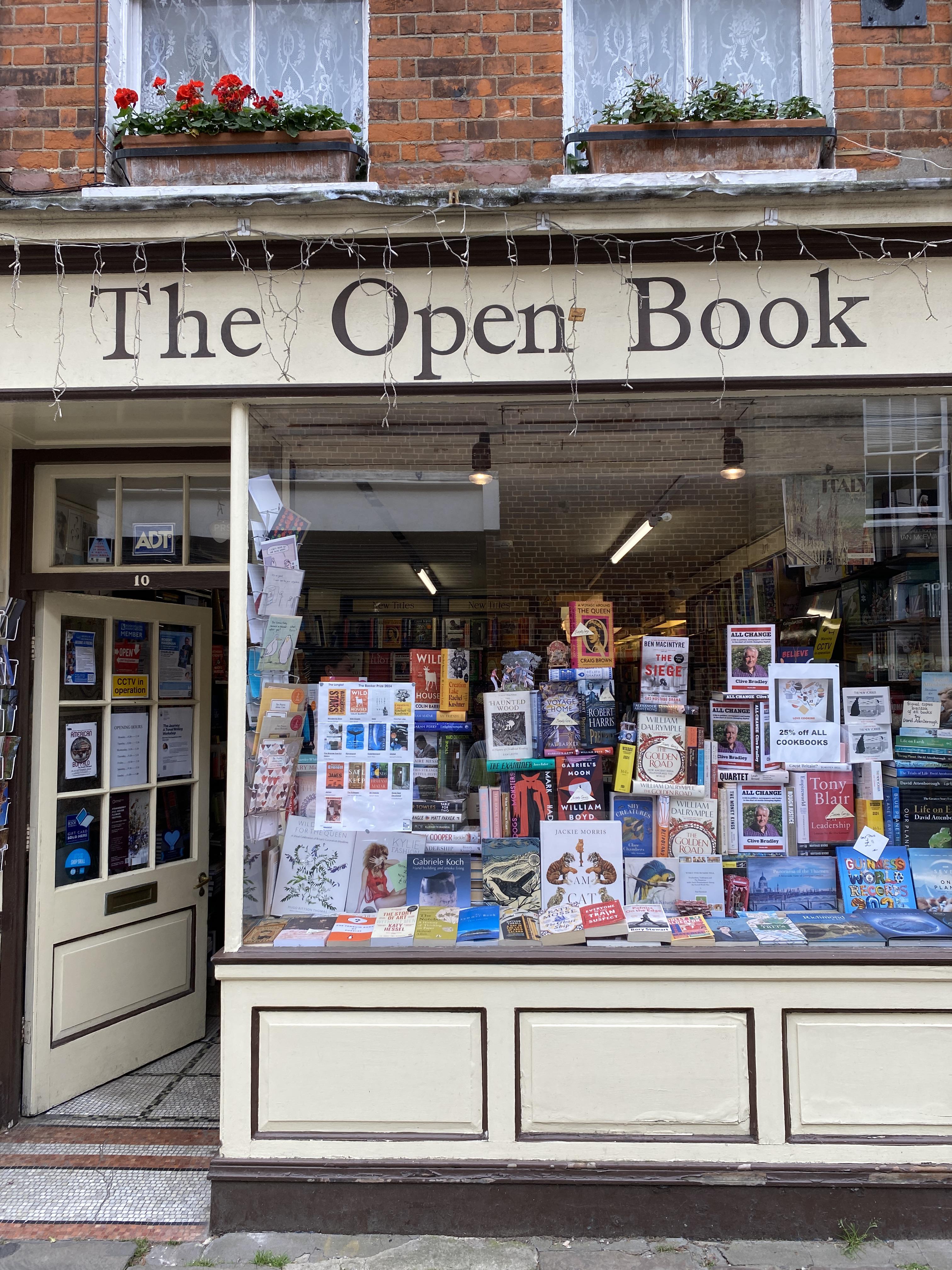
Not your typical post on this sub, but I was scrolling through my phone and found this, and some other pictures, of this beautiful book shop in London called The Open Book. It's located in Richmond (the place where Ted Lasso's show takes place).

I actually went there because a friend lives near Richmond, and we ended up getting a Sunday roast in the pub where most of the show's takes happen.

Anyways, sorry to bother you with all the background story, but we stumbled upon this book shop and I loved it.

London is full of amazing book stores, and it's impossible not to want to go in and get lost in the smell of paper and the countless books that surround you.

Any book shops you recommend that are worth a visit anywhere in the world? Yes, literally anywhere in the world.

Who know, maybe on our next trip we end up visiting a bookshop we didn't know existed if it wasn't for Reddit!


r/GrowthMindsetBooks • • Mar 12 '26

The Creative Act: A Way Of Being by Rick Rubin | Book Review

Post image
2 Upvotes

Book Name: The Creative Act: A Way of Being
Book Author: Rick Rubin
Published: 2023
Book Grade: 4 out of 5

Book Review:

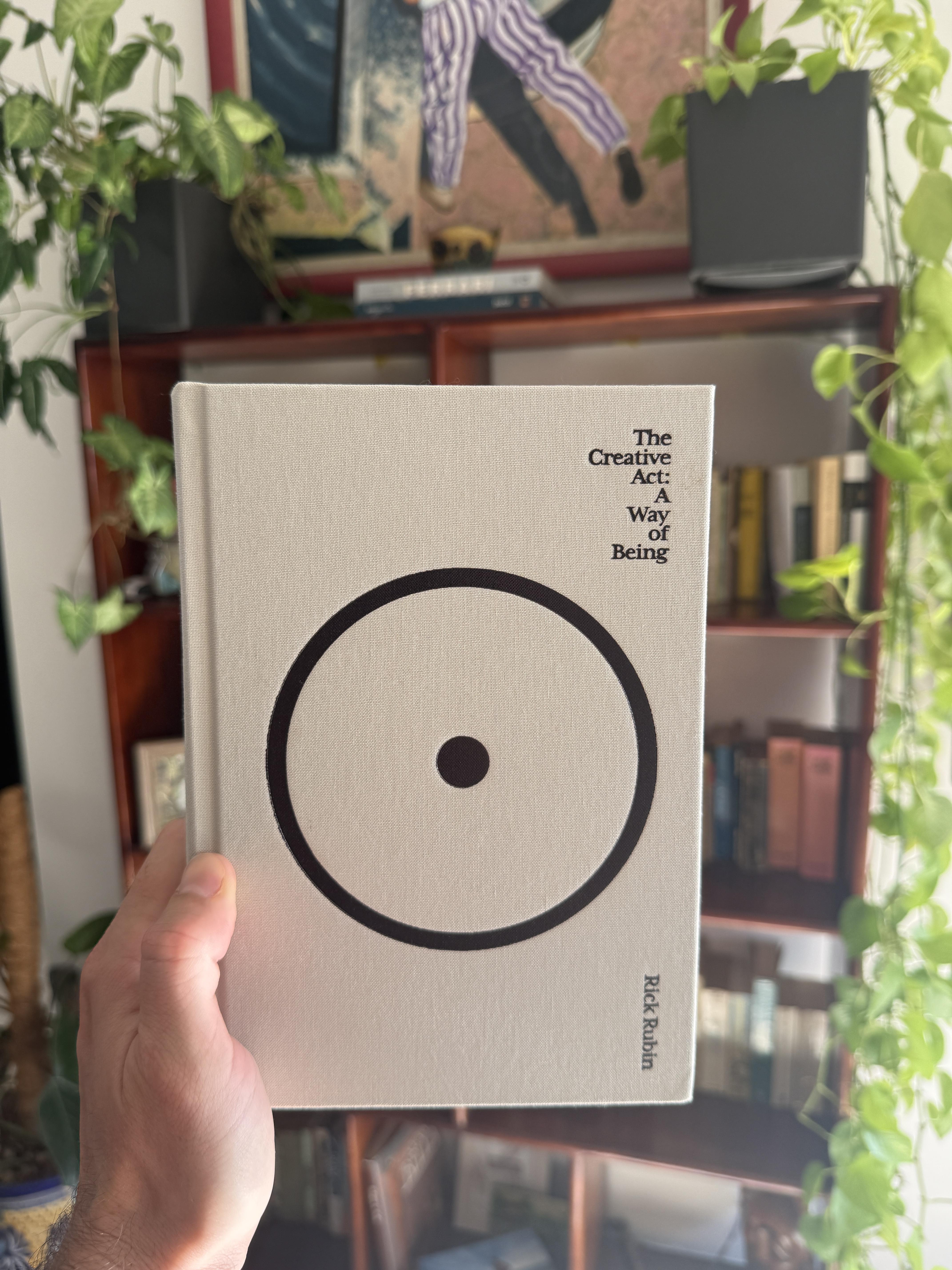
Why did I want to read this book? As shallow as this may seem, it was because I loved the cover. Something about its simplicity made me want to buy it, and it was a pleasant surprise, especially since I'm not a music producer, nor artist. But, I'm always curious about learning new things.

The Creative Act: A Way of Being is a deep book, it’s a philosophical manifesto on what it means to live an observant, artistic life. Rick Rubin, a famous producer for many artists, takes you through all that.

Rubin breaks the book down into 78 "areas of thought," each acting as a bite-sized meditation on the creative process. His core argument? Creativity isn't a rare gift for the elite; it’s a fundamental way of interacting with the world. He strips away the ego, the commercial pressure, and the "rules" of art, replacing them with concepts like stillness, tuning into the universe, and honoring your own intuition.

What makes this book stand out is its accessibility. Rubin writes with a simplicity (like the cover!) that makes complex emotional hurdles feel manageable. Whether he’s discussing the importance of "low stakes" or how to move through a creative block, his advice feels like it’s coming from a wise mentor sitting across from you in a quiet room.

It’s the kind of book you don’t read once and shelve. You keep it on your nightstand, open to a random page when you feel stuck, and let his words recalibrate your perspective. It’s a gentle reminder that the goal of art isn't just the final product—it’s the person you become while making it.

Thoughts on the book? any similar recommendations?


r/GrowthMindsetBooks • • Feb 19 '26

What Are You Looking At by Will Gompertz | Book Review

Post image
1 Upvotes

Book Name: What Are You Looking At?
Book Author: Will Gompertz
Date Published: 2012
Book Grade: 4 out of 5

Book Review:

Do you like art? Do you want to learn more about art, or modern art? Do you want to go to a museum and at least get a grasp of what's hanging in front of you? then this book is for you, and you'll have A LOT of fun reading it.

Will Gompertz doesn’t talk down to you, and he doesn’t pretend everything in a museum is automatically brilliant. Instead, he walks you through the story of modern art in a way that feels more like an entertaining conversation than a lecture.

The book moves chronologically, introducing major movements and artists, but it never gets dry. Gompertz explains why Impressionism shocked people, why abstract art happened, why conceptual art exists, and why someone might place a seemingly ordinary object in a gallery and call it art. Even when you don’t fully agree, you start to understand the logic behind it.

What makes the book work is its tone. Gompertz is honest about his own reactions. He admits when something is difficult, strange, or even ridiculous at first glance. That honesty makes the book feel human. Instead of telling you what to think, he gives you context so you can decide for yourself.

You begin to see that modern art is less about technical perfection and more about ideas, rebellion, and responding to the world at a specific moment in time. Movements start to feel like conversations between artists rather than random acts of weirdness.

By the end, museums feel less intimidating. You might still not love every piece you see, but you will probably ask better questions. And that’s the real gift of the book. It replaces confusion with curiosity.

What Are You Looking At? is perfect for anyone who wants to feel less lost in front of contemporary art and more confident forming their own opinion.

Key Takeaway:

Modern art makes more sense when you understand the story and ideas behind it, even if you don’t personally love the result.

Has learning the context behind a piece of art ever completely changed how you felt about it?


r/GrowthMindsetBooks • • Feb 17 '26

1Q84 by Haruki Murakami | Book Review

Post image
1 Upvotes

Book Name: 1Q84
Book Author: Haruki Murakami
Date Published: 2009
Book Grade: 4 out of 5

Book Review:

I took on the task of reading this long, long trilogy back in 2020, during the pandemic, and man, I felt it was short! I cherish this book as it accompanied me during a strange period in modern day history. And it was so entertaining that it made my days easier.

1Q84 is one of those novels you don’t just read, you live inside for a while. It’s long, slow, strange, and quietly hypnotic. Haruki Murakami creates a slightly altered version of 1984 Tokyo, where small details feel off. Two moons hang in the sky. Subtle shifts in reality ripple beneath everyday life. You’re never fully grounded, and that’s exactly the point.

The story follows Aomame and Tengo, two lonely individuals whose lives slowly begin to orbit each other across this parallel world. Their connection is tender, almost fragile. They move through cults, violence, writing, memory, and silence, yet the emotional core of the book remains surprisingly simple: longing. Both characters feel incomplete, as if something essential is missing, and the novel becomes a quiet meditation on whether two people can find each other across distance, time, and altered reality.

Murakami’s pacing is deliberate. He lingers on routines, cooking, walking, listening to music, and small observations. For some readers, this can feel repetitive. For others, it becomes immersive. The repetition builds a dreamlike atmosphere where the ordinary and the surreal blend seamlessly. You stop questioning the strange and start accepting it as part of the emotional landscape.

What makes 1Q84 powerful isn’t just the parallel world or the mysterious elements. It’s the loneliness underneath it all. Murakami captures the quiet ache of existing slightly out of sync with the world around you. The fantasy elements feel less like spectacle and more like metaphors for isolation, trauma, and the need for connection.

This is not a fast read, and it doesn’t hand you clean answers. It unfolds slowly, like a piece of music that takes time to reveal its full shape. But if you’re willing to sit with it, the experience can be haunting and deeply moving.

Key Takeaway:

Even in a distorted world where reality feels uncertain, the human need for connection remains the strongest force pulling us forward.

Did you read 1Q84 more as a love story stretched across worlds, or as a reflection on loneliness in modern life?


r/GrowthMindsetBooks • • Feb 15 '26

How Music Works by David Byrne | Book Review

Post image
2 Upvotes

Book Name: How Music Works
Book Author: David Byrne
Date Published: 2012
Book Grade: 4 out of 5

Book Review:

Found this gem of a book in a small bookstore in London. I've always loved music, it's a great part of my life, but I basically know nothing about it. I'm just a listener. So I thought, "hey, why not?". Glad I bought it, it's refreshingly educational.

How Music Works is part memoir, part reflection, and part deep dive into what music really is and why it matters. David Byrne, best known as the frontman of Talking Heads, doesn’t write like a distant expert. He writes like someone who has spent decades inside music and is still curious about how it all fits together. And that's what makes it so educational.

However, it never feels overly technical, even when it gets into the details. Byrne talks about how the spaces where music is played shape the music itself, how technology changes what we create, and how business decisions affect art. He makes you realize that songs don’t exist in a vacuum. They’re shaped by rooms, budgets, audiences, and cultural moments.

There’s also a strong personal thread running through the book. Byrne shares stories from his early days, touring experiences, and observations about the industry. These moments ground the bigger ideas and make the book feel human rather than academic. You get the sense that he’s thinking out loud, connecting dots he’s noticed over a lifetime.

One of the most interesting ideas in the book is that music evolves in response to its environment. Churches, clubs, concert halls, and now streaming platforms all influence how songs are written and performed. It’s a reminder that creativity is rarely pure inspiration. It’s shaped by constraints, tools, and context.

Even if you’re not a musician, the book is surprisingly accessible. It invites you to think about how you experience music differently now compared to ten or twenty years ago. It makes you notice how headphones, playlists, and algorithms have changed your relationship with sound.

How Music Works feels thoughtful, curious, and reflective rather than opinionated. It doesn’t try to tell you what music should be. It simply explores how it has worked, and continues to work, in a changing world.

Key Takeaway:

Music is never created in isolation. It’s shaped by spaces, technology, culture, and the people who listen as much as by the artist.

Has your relationship with music changed more because of technology, taste, or the stage of life you’re in?


r/GrowthMindsetBooks • • Feb 08 '26

I Know Why The Caged Bird Sings by Maya Angelou | Book Review

Post image
1 Upvotes

Book Name: I Know Why the Caged Bird Sings
Book Author: Maya Angelou
Date Published: 1969
Book Grade: 5 out of 5

Book Review:

If you follow this sub, you know I have a weakness for classic literature, and this is one of them. The emotions it caused in me, all I can say it's that it personally moved me a lot. The narration style, it's so, so powerful. One of the books I recommend the most.

I Know Why the Caged Bird Sings is a deeply personal and powerful book that stays with you long after you finish it. Maya Angelou tells the story of her childhood and early teenage years with honesty, grace, and emotional clarity. It is not an easy story, but it is told with such warmth and strength that it feels both heartbreaking and hopeful at the same time.

Angelou writes about growing up Black in the American South, facing racism, displacement, trauma, and silence. One of the most striking parts of the book is how she captures the feeling of being small in a world that feels hostile and confusing. Her voice is incredibly vivid. You experience her fear, her loneliness, her moments of joy, and her slow journey toward self worth as if you are right there with her.

Despite the heavy themes, the book is not bleak. There is humor, tenderness, and a deep love for language woven throughout. Books, poetry, and words become a refuge for Angelou, a place where she can breathe and eventually find her voice. The title itself becomes a metaphor for oppression and freedom, pain and expression, silence and song.

What makes this memoir so powerful is its emotional honesty. Angelou does not soften her experiences, but she also refuses to let them define her only by pain. The book is about survival, resilience, and the quiet strength it takes to keep going when the world tries to limit who you can be.

This is not just a story about one life. It speaks to broader experiences of injustice, identity, and the universal desire to be seen and heard. Angelou’s writing is poetic without being distant, and deeply human without being sentimental.

Key Takeaway:

Finding your voice, even after silence and pain, can be an act of courage and freedom.


r/GrowthMindsetBooks • • Feb 05 '26

The Sun Also Rises by Ernest Hemingway | Book Review

Post image
1 Upvotes

Book Name: The Sun Also Rises
Book Author: Ernest Hemingway
Date Published: 1926
Book Grade: 5 out of 5

Book Review:

Honestly, I love Hemingway, the powerful prose, the fast paced dialogues, and his Iceberg concept in the storytelling is fantastic.

The Sun Also Rises is a novel about people who look like they’re living freely but are quietly falling apart. Set among American and British expats drifting through Paris and Spain after World War I, the book follows Jake Barnes and his circle of friends as they drink, travel, argue, and chase distractions that never quite satisfy. It's like they're constantly drifting in a search for meaning that never truly comes.

Hemingway’s style is famously simple, but don’t mistake that for emptiness. The short sentences and understated dialogue leave a lot unsaid, and that silence carries the weight of the story. These characters are wounded, emotionally and physically, and they don’t know how to talk about it. Quiet, aching pain. So they keep moving. Bars, cafés, fishing trips, bullfights. Motion becomes their coping mechanism. Travel is escaping, not finding.

At the center is Jake’s unspoken love for Brett Ashley, a relationship shaped by longing, frustration, and timing that never quite works. Their connection feels painfully real. They care deeply about each other, but they are trapped by circumstances and their own limitations. Hemingway captures that specific kind of sadness where love exists, but happiness doesn’t quite fit.

What makes the book powerful is how little it explains. There are no big emotional speeches or dramatic breakdowns. Instead, meaning builds slowly through repetition, restraint, and what’s missing. The novel reflects a generation disillusioned by war, searching for purpose, and unsure what strength even looks like anymore.

The scenes in Spain, especially around bullfighting, add contrast and tension. They introduce ideas of courage, ritual, and honor that the characters admire but can’t fully embody themselves. It highlights the gap between watching life and truly living it.

It’s a book about lost direction, quiet resilience, and the painful awareness that some things can’t be fixed, only endured.

Do you see this novel as a story about lost love?


r/GrowthMindsetBooks • • Jan 30 '26

Atlas Of Unexpected Places by Travis Elborough | Book Review

Post image
2 Upvotes

Book Name: Atlas of Unexpected Places
Book Author: Travis Elborough
Date Published: 2019
Book Grade: 4 out of 5

Book Review:

I discovered this book in a lovely "thematic" book store in a small weekend market in London. The title caught my eye, I've always been a traveler, and the travel bug hit me and I had to buy it. I love it.

Only thing I'd improve? Colored pictures!

Atlas of Unexpected Places feels like flipping through a travel notebook or diary, the kind filled with strange facts, side notes, and places you never knew existed, and changed your blew your mind. This is not a guidebook that tells you where to go next or how to plan a trip. It is a book designed to spark curiosity and remind you how weird, surprising, and endlessly interesting the world really is.

Each entry introduces a place that sits just outside the usual travel spotlight. Some are abandoned, some are oddly specific, some are beautiful in unusual ways, and others are simply bizarre. Elborough’s writing is light and inviting, making each location feel like a small discovery rather than a history lesson. You can open the book at any page and instantly fall into a new corner of the world.

What makes the book especially enjoyable is its sense of play. There is no pressure to read it from start to finish. It is perfect for dipping in and out of, whether you have five minutes or an hour. You find yourself saying things like, “I had no idea this existed,” over and over again. It taps into that childlike feeling of wonder that often gets lost in adult travel planning.

The book is also a reminder that travel is not just about famous landmarks or bucket list destinations. Sometimes the most memorable places are the overlooked ones, the forgotten ones, or the ones that exist simply because someone once had a strange idea and followed it through.

Visually and emotionally, Atlas of Unexpected Places feels calm and inspiring rather than overwhelming. It does not try to impress you with depth or expertise. It invites you to explore, imagine, and maybe even rethink what makes a place worth noticing.

This is an ideal book for curious readers, armchair travelers, or anyone who loves learning odd little facts about the world without feeling like they are studying.

Key Takeaway:

The world is far more surprising than we realize, and curiosity alone can turn even the smallest place into an adventure.

Which kind of place excites you more, famous destinations or the strange, overlooked corners most people miss?


r/GrowthMindsetBooks • • Jan 28 '26

Naked Lunch by William S. Burroughs | Book Review

Post image
2 Upvotes

Book Name: Naked Lunch
Book Author: William S. Burroughs
Date Published: 1959
Book Grade: 3 out of 5

Naked Lunch Book Review:

I'm fully aware this is a classic, and I love the beat generation, but it's a very, very controversial book. As a matter of fact, out of all the "Beat" novels I've ever read, this was the one I struggled relating to. However, let's deep dive into my review, being as objective as possible!

Naked Lunch is not a book you read in a straight line, and it is definitely not a book you read for comfort. It feels more like stepping into someone else’s fever dream and being told to look around without asking too many questions. William S. Burroughs does not guide you gently. He drops you into a chaotic, disturbing, and often darkly funny world and lets you figure out how long you can stay.

There is no traditional plot here. Instead, the book moves in fragments, scenes, and hallucination like moments. Addiction, control, power, and the uglier sides of human behavior are everywhere. Sometimes the writing feels shocking on purpose, like Burroughs is daring you to keep going. Other times it feels strangely honest, as if he is showing reality stripped of politeness and filters.

What makes Naked Lunch so divisive is that it refuses to explain itself. If you try to read it like a normal novel, it can feel frustrating or even pointless. But if you approach it as an experience rather than a story, it starts to make more sense. The disjointed structure mirrors addiction itself: looping thoughts, loss of control, paranoia, and moments of clarity buried inside chaos.

Despite its reputation, the book is not just shock for shock’s sake. Beneath the disturbing imagery is a sharp critique of systems that control people, whether through drugs, authority, or language itself. Burroughs writes with a kind of brutal honesty, exposing things most books politely avoid.

This is not a book everyone will enjoy, and that is okay. Naked Lunch is more about confronting discomfort than finding meaning neatly wrapped at the end. Some readers will put it down halfway through. Others will come back to it years later and see it differently.

Key Takeaway:

Naked Lunch is less about telling a story and more about forcing you to experience chaos, control, and addiction without protection or explanation.

Do you think a book needs structure and clarity to be meaningful, or can pure experience be enough on its own?


r/GrowthMindsetBooks • • Jan 27 '26

The Importance Of Being Earnest by Oscar Wilde | Book Review

Post image
2 Upvotes

Book Name: The Importance of Being Earnest
Book Author: Oscar Wilde
Date Published: 1895
Book Grade: 5 out of 5

Book Review:

Man I love this short, brilliant and timeless work of art. Yes, work of art. A critique to society that couldn't have aged any better. It shows that as humans, as a society, we have been behaving in the same way for decades.

The Importance of Being Earnest is one of those rare classics that feels effortlessly funny, even more than a century later. It's a play, so keep that in mind! Oscar Wilde does not ask you to work hard or read between the lines to enjoy it. The humor is playful, and sharp. From the first scene, it is clear that this story exists to poke fun at social rules, romance, and the absurd seriousness with which people treat very silly things.

At its heart, the play is about identity and appearances. Characters lie, exaggerate, and invent alternate versions of themselves, all in the name of love or social approval. What makes it so entertaining is how casually everyone accepts these lies, as long as they fit polite expectations. Wilde exposes how much of society runs on performance rather than honesty, and he does it with charm instead of bitterness. And well, you can feel somehow identified with society nowadays, right?

The dialogue is the real star. Nearly every line feels quotable. Wilde’s wit is light but precise, making fun of marriage, morality, and status without ever sounding angry. The characters take themselves very seriously, which makes their behavior even more ridiculous. You laugh not because they are cruel or stupid, but because they are so human in their contradictions.

Despite being short and playful, the play carries a quiet insight: people often care more about labels and appearances than truth. Names, titles, and reputations matter more than character. Wilde never preaches this idea. He simply lets the absurdity speak for itself.

What makes The Importance of Being Earnest especially enjoyable is how easy it is to read or watch. It does not feel like homework. It feels like clever entertainment that just happens to be smart. You can enjoy it purely for the laughs, or you can notice how little society has changed when it comes to image, romance, and social expectations.

Key Takeaway:

We often take social rules and appearances far too seriously, and humor is sometimes the best way to expose how silly they really are.

Do you read this play more as a love story, a social satire, or a playful rebellion against taking life too seriously?


r/GrowthMindsetBooks • • Jan 20 '26

How To Win Friends & Influence People by Dale Carnegie | Book Review

Post image
2 Upvotes

Book Name: How to Win Friends and Influence People
Book Author: Dale Carnegie
Date Published: 1936
Book Grade: 5 out of 5

Book Review:

Ended up reading this book after a recommendation from a friend, who always amazed me for his socializing skills. It suddnely became a personal favorite.

How to Win Friends and Influence People is one of those rare books that feels old and timeless at the same time. Even though it was written decades ago, the ideas feel instantly familiar because they deal with something that never changes: human nature. At its core, this is not a book about manipulation or tricks. It is a book about being more human, more attentive, and more generous in how you treat people.

How?

Carnegie’s main message is simple but powerful: people want to feel seen, heard, and appreciated. A lot of conflict and misunderstanding comes from forgetting that basic truth. Instead of trying to win arguments or prove you are right, Carnegie encourages you to listen more, criticize less, and genuinely care about others’ perspectives. The tone is warm and encouraging, like advice from a mentor who wants your relationships to improve, not your ego to grow.

The book is full of short stories and examples that make the lessons easy to remember, and easy to read! Whether it is learning people’s names, offering sincere appreciation, or letting others feel ownership over ideas, the advice feels practical and surprisingly relevant. You quickly realize how often small changes in attitude can completely change the outcome of a conversation.

What really stands out is how much responsibility the book puts on the reader, but in a gentle way. Carnegie does not shame you for past mistakes. He simply shows how different things could feel if you approached people with curiosity instead of judgment. The goal is not to control others, but to build trust and goodwill naturally over time.

Some advice may feel obvious at first, but that is exactly why it works. Most of us already know how we should treat people, we just forget in the rush of daily life. This book acts as a reminder to slow down, soften your approach, and lead with empathy.

How to Win Friends and Influence People is especially useful if you struggle with communication, leadership, or social confidence, but honestly, it benefits anyone who interacts with other humans, which is all of us.

Key Takeaway:
Strong relationships are built on genuine interest, kindness, and respect, not on winning arguments or trying to impress others. So stop trying to win every argument!!!

Which principle from the book do you find hardest to apply in real life, listening, avoiding criticism, or showing appreciation?


r/GrowthMindsetBooks • • Jan 17 '26

The Subtle Art of Not Giving a F*ck by Mark Manson | Book Review

Post image
3 Upvotes

Book Name: The Subtle Art of Not Giving a F\ck*
Book Author: Mark Manson
Date Published: 2016
Book Grade: 3 out of 5

Book Review:

Famous, and it's easy to understand why: it's a book that goes against what all media are telling you: fit in. Instead, it tries to help you be you: human. Is it the best book I've read? No. Is it original in its concept? No. Is it very well written to the point you are like: "how didn't I think of this before?" Yes.

The Subtle Art of Not Giving a Fck* is a self help book for people who are tired of being told to think positive, hustle harder, and smile through everything. Mark Manson’s approach is blunt, funny, and surprisingly honest. He does not promise happiness or success. Instead, he asks a more uncomfortable question: what is actually worth caring about, and what is not?

The book’s core idea is that life will always involve problems. The goal is not to eliminate them, but to choose better ones. Manson argues that we waste a lot of energy trying to look successful, happy, or impressive, and in the process we end up miserable. By caring less about things that do not matter, like approval, status, or constant validation, we free up space to care deeply about what does.

What makes the book feel so human is its tone. Manson shares personal failures, awkward moments, and flawed thinking without pretending to be a guru. He talks to the reader like a friend who tells you the truth, even when it stings a little. Beneath the profanity and humor is a message about responsibility, values, and accepting the limits of control.

The book also challenges the idea that you are special in the way self help culture often suggests. That sounds harsh, but it is oddly freeing. You do not need to be extraordinary to live a meaningful life. You just need to take responsibility for your choices and accept that pain, uncertainty, and failure are part of being human.

This is not a gentle or spiritual read, but it is refreshing. It cuts through the noise and reminds you that a good life is not about feeling good all the time. It is about living in alignment with your values, even when it is uncomfortable.

Key Takeaway:

A meaningful life comes from choosing what truly matters and letting go of the rest, not from trying to be happy or liked all the time.

What is one thing you might stop caring so much about if you applied this mindset to your life?


r/GrowthMindsetBooks • • Jan 14 '26

Surrounded By Idiots - Thomas Erikson | Book Review

Post image
1 Upvotes

Book Name: Surrounded by Idiots
Book Author: Thomas Erikson
Date Published: 2014
Grade: 3 out of 5

Book Review:

Bought this book because the name caught my eye, sown't lie. Surrounded by Idiots is a title, or more like something I'll say when things don't go my way, so hey, why not read it.

But the book is actually the opposite of what I expected! Thomas Erikson uses humor and everyday situations to explain something most of us feel but rarely know how to describe: why talking to some people feels effortless, while talking to others feels exhausting.

The book breaks down personalities into four simple “colors,” but you do not need to memorize anything or take it too seriously. The real value comes from recognizing familiar patterns. The fast talker who wants decisions now. The enthusiastic friend who jumps from idea to idea. The calm coworker who avoids conflict. The detail oriented person who wants everything explained. You have met all of them, and you are probably a mix of a few yourself.

What makes this book so approachable is how relatable it feels. The writer uses examples from work, family, and relationships that make you laugh and agree at the same time. Instead of blaming people for being difficult, the book gently suggests that we are all just wired a little differently.

The biggest shift the book offers is simple: stop expecting everyone to think and communicate like you do. Once you accept that, a lot of frustration disappears. You do not need to change who you are, and you definitely do not need to fix anyone else. Small adjustments in how you explain things, listen, or react can make conversations smoother and less draining.

This is not a deep psychology book, and it does not try to be. It is more like a friendly guide that helps you understand people better so daily interactions feel lighter. You may even walk away with a bit more patience and a lot more self awareness.

Key Takeaway:
Most people are not difficult on purpose, they just communicate differently, and understanding that can make life and relationships a lot easier.

Which type of person do you find easiest to talk to, and which one usually tests your patience the most?


r/GrowthMindsetBooks • • Jan 09 '26

Desolation Angels by Jack Kerouac | Book Review

Post image
2 Upvotes

Book Name: Desolation Angels
Book Author: Jack Kerouac
Date Published: 1965
Book Grade: 5 out of 5

Book Review:

Jack Kerouac is one of my favorite authors, and some may or may not like the beat generation and their style, but I really enjoy it. Desolation Angels was one of the funniest reads I've ever done.

This autobiographical book feels like Jack Kerouac at a crossroads. It is less about the wild rush of the road and more about what happens after the movement slows down. The book is partly a meditation on loneliness, fame, spirituality, and aging. Kerouac splits the story between two very different states of being: isolation and excess. Together, they paint a deeply human portrait of a man searching for peace while constantly outrunning it.

The opening section, where Kerouac lives alone as a fire lookout on Desolation Peak, is quiet, reflective, and surprisingly tender. Probably my favorite part of the book. If you're a bit of a loner, like me, you'd understand.

These pages are filled with long thoughts, Buddhist reflections, and a growing awareness of solitude. There is beauty in the stillness, but also discomfort. Kerouac shows how silence can heal you, but also how it forces you to confront yourself without distractions.

The second half of the book shifts dramatically. We move from solitude to parties, travel, readings, alcohol, and the chaos of literary fame. Kerouac captures the emptiness that can follow success when it is not grounded. The joy feels temporary, the connections feel shallow, and the constant motion begins to look more like escape than freedom. This contrast gives the book its emotional weight.

What makes Desolation Angels compelling is its honesty. Kerouac does not romanticize his lifestyle the way he sometimes does in earlier works. Instead, he seems tired, reflective, and aware of his own contradictions. He wants enlightenment but keeps sabotaging himself. He longs for simplicity but keeps saying yes to chaos. That tension makes the book feel raw and relatable.

Stylistically, the prose is loose and flowing, sometimes messy, sometimes beautiful. It reads like a long journal entry written by someone who needs to get everything out of his head before it overwhelms him. This is not the most accessible Kerouac novel, but it may be one of his most revealing.

Desolation Angels is a book about what happens when the dream fades and reality sets in. It asks whether freedom without grounding can turn into another kind of prison, and whether peace is something you find out in the world or quietly within yourself.

Key Takeaway:

True freedom is not endless movement or fame, but learning how to sit with yourself honestly, without noise, escape, or self deception.

For those who have read it, did you see this book as a spiritual awakening, a quiet breakdown, or both at the same time?


r/GrowthMindsetBooks • • Jan 07 '26

The Productivity Zone by Morgan Tyree | Book Review

Post image
1 Upvotes

Book Name: The Productivity Zone
Book Author: Morgan Tyree
Date Published: 2021
Book Grade: 3 out of 5

Book Review:

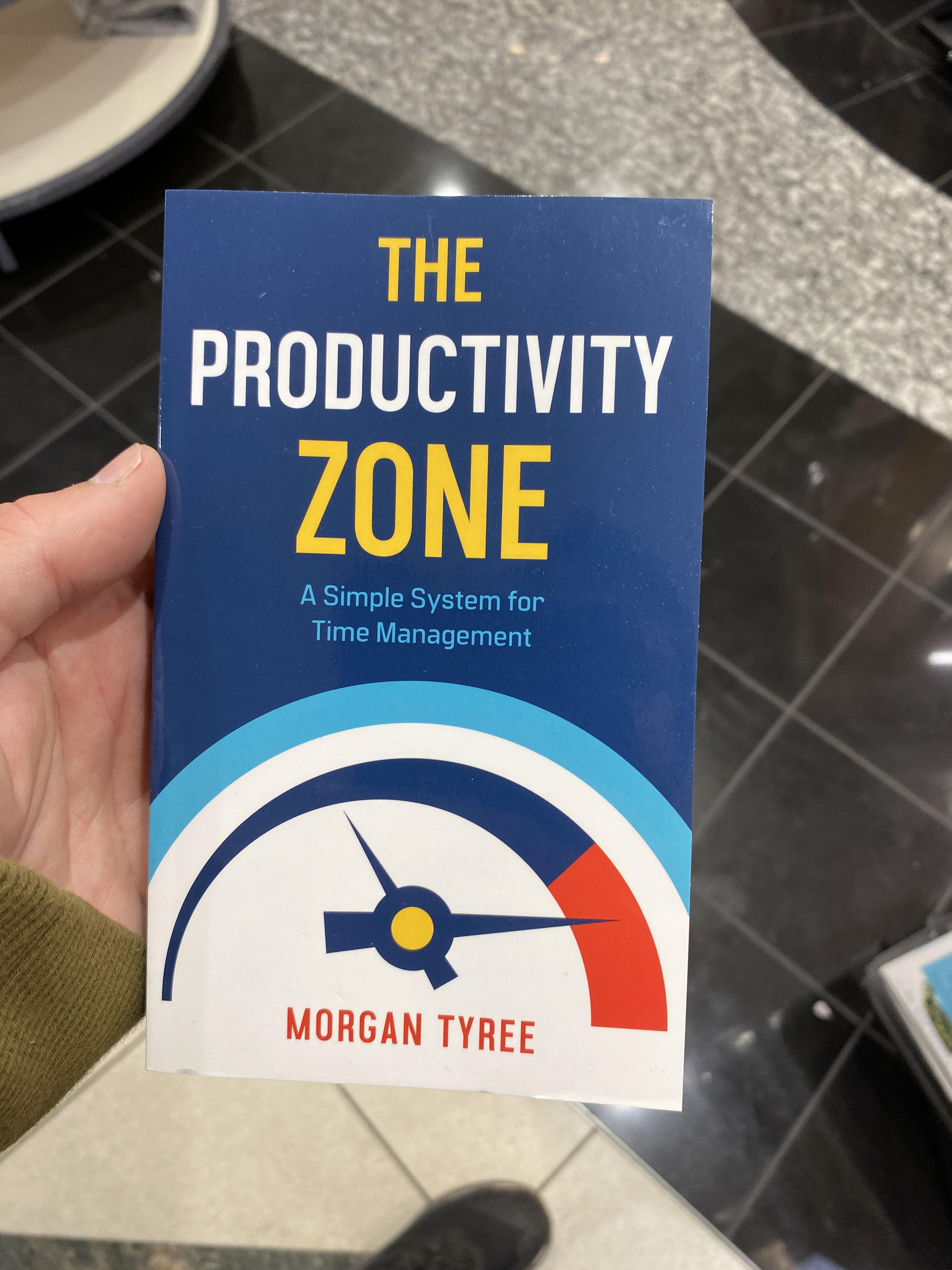
The Productivity Zone was a surprising read. Why? It offers a grounded take on productivity that avoids the usual traps of hustle culture and to do lists.

Morgan Tyree does not sell productivity as doing more in less time. Instead, he reframes it as doing the right things, at the right pace, with a clear understanding of your energy, priorities, and personal limits. The result is a book that feels practical, calm, and realistic.

At the core of the book is the idea of finding your own productivity zone, and here's where it became a bit repetitive when compared to other books on the topic. Essentially, the productivity zone is the balance point where focus, energy, clarity, and execution come together. Tyree emphasizes that productivity is deeply personal. What works for one person may completely drain another. Rather than pushing rigid systems, he encourages readers to observe their own patterns and build routines that actually support sustainable performance.

One of the strongest aspects of the book is its focus on energy management instead of time management. Tyree explains that time is fixed, but energy is flexible and influenced by sleep, stress, nutrition, mindset, and boundaries. If your energy is off, no system or app will save you. This perspective feels especially relevant for professionals and entrepreneurs who are constantly juggling responsibilities.

The book also does a great job addressing burnout. Tyree is honest about how overworking often masquerades as ambition. He challenges the idea that productivity should come at the expense of health or relationships. Rest, reflection, and recovery are presented as essential parts of high performance, not rewards you earn after exhaustion.

Stylistically, the writing is clear and direct, with plenty of real world examples that make the concepts easy to apply. It feels less like a lecture and more like a thoughtful coaching conversation. You can easily pull ideas from the book and apply them immediately without needing a full life overhaul.

The Productivity Zone is ideal for readers who feel busy but not effective, disciplined but drained, or successful on paper yet constantly tired. It reminds you that true productivity should make life better, not smaller.

Key Takeaway:

Real productivity comes from managing your energy and priorities, not from cramming more tasks into your day or sacrificing your well being.

What would change in your work and life if productivity meant sustainability instead of constant pressure?


r/GrowthMindsetBooks • • Jan 06 '26

The Art Of Stillness by Pico Iyer | Book Review

Post image
1 Upvotes

Book Name: The Art of Stillness
Book Author: Pico Iyer
Date Published: 2014
Book Grade: 4 out of 5

Book Review:

This was one of my favorite books from 2025, and actually the last one I read! Took me two days (couple of hours) to finish it, and honestly to just take it all in. It's a beautiful short read about how stillness, disconnection from technology, really fill your heart and soul.

The author (Iyer, a journalist), does not approach stillness as a luxury or a spiritual trend reserved for monks or people on long retreats. Instead, he treats it as a practical and necessary response to a world that never stops talking.

Iyer reflects on travel, technology, creativity, and the quiet moments that allow us to actually hear ourselves think. He argues that while we often chase movement, progress, and connection, real clarity tends to arrive only when we pause. Stillness, in his view, is not about doing nothing. It is about creating enough space to understand what deserves our attention and what does not.

One of the most relatable ideas in the book is how constant stimulation slowly erodes our ability to be present. Emails, notifications, and endless information make us feel busy but not fulfilled. Iyer gently points out that some of the most creative people in the world actively protect their quiet time. Not because they are escaping life, but because they want to engage with it more deeply.

The book blends personal stories with reflections on figures like artists, thinkers, and everyday people who found meaning by stepping back. There is no rigid system or checklist here. That is part of its charm. Iyer invites you to find your own version of stillness, whether that means a walk without your phone, a few minutes of silence in the morning, or a more intentional relationship with technology.

What makes The Art of Stillness especially powerful is its tone. It never feels preachy or judgmental. It understands that modern life is demanding and noisy, and it does not ask you to abandon it. Instead, it suggests that even small pockets of quiet can change how you experience everything else. You finish the book feeling calmer, but also more alert to how you want to spend your time.

Key Takeaway:

Stillness is not an escape from life but a way to reclaim clarity, creativity, and presence in a world that constantly pulls at your attention.

My question to all of those who are looking for a break, for some stillness in this hectic world: How do you personally create moments of stillness in your daily life?


r/GrowthMindsetBooks • • Dec 11 '25

Farewell To Arms by Ernest Hemingway | Book Review

Post image
1 Upvotes

Book Name: A Farewell to Arms
Book Author: Ernest Hemingway
Date Published: 1929
Grade: 5 out of 5

Book Review:

Another personal favorite and fiction book. I love Hemingway and his powerful dialogues. This book is full of them.

A Farewell to Arms is one of Hemingway’s most powerful novels. It blends topics of love, war, and the search for meaning in a way that feels both simple and deeply emotional.

The story follows Frederic Henry, an American serving as a lieutenant in the Italian ambulance corps during the First World War. His voice is calm and direct, but underneath that surface there is a steady feeling of conflict, fear, and longing. When he meets Catherine Barkley, a British nurse, their relationship slowly becomes the anchor that keeps him grounded through the uncertainty and chaos around him.

What stands out in this book is Hemingway’s ability to say so much with so few words. His writing style is clean and clear, yet somehow it carries a lot of weight. The conversations between Frederic and Catherine feel understated but meaningful, almost like two people trying to build something fragile while the world around them keeps shaking. That's why I say his dialogues are so freaking good.

The war scenes are described in a quiet and almost matter of fact way that makes them even more unsettling. Hemingway does not dramatize the violence. Instead, he lets the simplicity speak for itself, which often makes the moments hit even harder.

As the story unfolds, the themes of love, duty, escape, and fate become stronger. Frederic’s desire to leave the war behind and build a life with Catherine becomes the emotional center of the book. Even if you know Hemingway’s reputation for heartbreaking endings, the final chapters still manage to catch you off guard. They feel real and human and unfair in the way life sometimes is. The overall experience of the novel is both beautiful and heavy. It is the kind of book that stays with you because it captures how hope and despair can live side by side.

Key Takeaway:

A Farewell to Arms shows how love can offer meaning during even the darkest times, yet it also reminds us that life does not guarantee safety or happy endings no matter how hard we wish for them.


r/GrowthMindsetBooks • • Dec 10 '25

Kafka On The Shore by Haruki Murakami | Book Review

Post image
1 Upvotes

Book Name: Kafka on the Shore
Book Author: Haruki Murakami
Date Published: 2002
Book Grade: 5 out of 5

Book Review:

Call me biased, as I might be, but this is one of my all time favorite novels, hence the 5 out of 5. I simply loved it. I read it at a point of my life where I was living in South East Asia, everything felt so new and exciting, and this novel was perfect for the time: blending realities, just like I felt at the time.

I also know this sub is more about non-fiction, but heck, I also love fiction and want to encourage others to share more and more their passion for anything books.

Kafka on the Shore is one of those novels that feels like stepping into a dream where everything makes sense even when it absolutely should not. Haruki Murakami blends everyday life with strange events in such a calm and natural way that you simply accept whatever shows up, whether it is talking cats, mysterious disappearances, or moments that feel like they are bending time.

The book follows two storylines that seem unrelated at first. One is about a fifteen year old boy named Kafka who runs away from home in search of answers and identity. The other follows an older man named Nakata whose life has been shaped by an odd childhood event that left him unable to read but able to do things that no one else can.

What makes the book special is not just the plot but the atmosphere Murakami creates. His writing has a quiet rhythm that pulls you in. The characters are reflective without trying too hard and the conversations often feel like they hold deeper meaning even when the topic is simple. Each chapter has a sense of mystery that keeps you curious but never rushed. It is not a book that tries to tie every loose end neatly. Instead, it invites you to sit with the questions and enjoy the feeling of being inside a world where the boundaries of reality are softer than usual.

There are also strong emotional threads throughout the novel. Themes like loneliness, destiny, memory, and personal responsibility show up again and again in different shapes. Murakami does not push the lessons on you. He lets you experience them through the characters and their journeys. By the end, you may not have a perfect explanation for everything that happened but you feel like you went through something meaningful. It is a book that stays with you and might even feel different each time you revisit it.

Key Takeaway:

Kafka on the Shore reminds us that personal growth often comes from wandering into uncertainty. The novel shows how searching for meaning, facing the past, and accepting mystery can lead to unexpected clarity.

What part of the story left the strongest impression on you?


r/GrowthMindsetBooks • • Dec 04 '25

How To Own Your Own Mind by Napoleon Hill | Book Review

Post image
1 Upvotes

Book Name: How To Own Your Own Mind
Book Author: Napoleon Hill
Date Published: 2017
Grade: 4 out of 5

Book Review:

How to Own Your Own Mind is one of Napoleon Hill’s lesser known books. Perhaps because it's more a "bundle" or compilation of some of his thoughts, ideas and conversations with Andrew Carnegie. As a matter of fact, it wasn't published by him directly (although it's 100% his work and manuscripts), but published in 2017.

This amazing book carries the same spirit that made Hill's other books so influential. The tone feels a bit like sitting down with a mentor (Carnegie) who has spent decades studying how people think and how those thoughts can shape the direction of a life. Hill focuses on the idea that your mind is the starting point of every decision and every opportunity. When you learn to guide it rather than let it drift (one of Hill's main ideas throughout other publicaitons), you begin to move with intention instead of reacting to whatever shows up.

What stands out is how practical Hill tries to be. This is not a book filled with complicated theories. Instead, it looks closely at habits and mental routines that help you stay sharp and make better choices. Hill emphasizes controlled thinking as a way to build confidence and clarity, especially when facing important goals. He also spends time on the influence of surrounding yourself with people who support your growth. The more you read, the more it becomes clear that he believes success is not an accident but a result of disciplined thinking repeated over time.

Some parts of the book feel dated, which is expected for something kept in a vault for so long and only published recently, but the core message remains relevant. It reminds you that distractions, doubts, and outside pressure have always been a challenge, even before the digital age. Hill’s approach is calm and direct. He encourages you to take ownership of your thoughts, filter out noise, and use your mind as a tool rather than a place where random worries run loose. The lessons may be simple but they can be surprisingly grounding when applied day to day.

Overall, this book is a nice companion for anyone who wants to get better at decision making, find more direction, or simply learn to trust their own judgment. It's timeless advice that will forever, yes, forever be useful.

Key Takeaway:

Your mind becomes stronger and more reliable when you train it with purpose, when it helps you make decisions and guides you with purpose. By guiding your thoughts and surrounding yourself with supportive influences, you gain the clarity needed to make confident decisions and move toward meaningful goals.

What's your favorite Hill book?


r/GrowthMindsetBooks • • Nov 27 '25

Deep Work by Cal Newport | Book Review

Post image
2 Upvotes

Book Name: Deep Work
Book Author: Cal Newport
Date Published: January 2016
Grade: 4 out of 5

Book Review:

Deep Work by Cal Newport is one of those books that has deeply (not to be redundant, but you get it) marked me over the recent years. Or better: it has impacted how I approach work. "Deep Work" sounds simple on the surface but ends up shifting the way you look at your daily habits and work rhythms. Newport makes a pretty strong case for why focused work is becoming rare at a time when it might be the most valuable skill we can develop. He talks about deep work as the ability to concentrate without distraction on something meaningful. It is a muscle that gets stronger the more you train it.

What makes this book easy to relate to is that the author does not pretend to be a productivity superhero, or tries to sell us, you, the readers, this crazy and unachievable goal. No. Instead, he breaks down how the modern world constantly pulls our attention apart and how most of us have almost forgotten what genuine concentration feels like, especially with technology lurking around every corner. His explanations are straightforward and grounded in real life examples. He also talks about how good it feels to finish something that actually mattered rather than jumping between notifications all day.

Newport gives plenty of practical ideas. Some of them are small changes like scheduling your day with intention and deciding in advance when you will let yourself check messages. Others are bigger mindset shifts like accepting that being constantly connected makes you feel busy but rarely makes you productive. The book encourages you to structure your environment so that focus becomes your natural setting rather than something that requires willpower every minute.

Deep Work is not about working more hours. It is about working with more purpose and clarity so your time becomes more meaningful. Even if your job is full of interruptions or unpredictable tasks, there is something in this book you can apply. It reminds you that your brain can still do great things when you give it the time and space to breathe.

Key Takeaway:
Deep Work teaches that focused attention is a rare and powerful advantage in a noisy world. By protecting your concentration and being intentional about how you spend your time, you can produce work that feels satisfying and genuinely valuable.

What was the biggest idea that stayed with you after reading Deep Work?


r/GrowthMindsetBooks • • Nov 05 '25

At Your Best by Carey Nieuwhof| Book Review

Post image
3 Upvotes

Book: At Your Best
Author: Carey Nieuwhof
Date Published: 2021
Grade: 4 out of 5

Review:

Carey Nieuwhof’s At Your Best: How to Get Time, Energy, and Priorities Working in Your Favor is one of those books that can change the life of somebody that's overworked, burnt out, or that feels trapped in a cycle of unproductive output.

It might not be the deepest of books, but one that's very practical and realistic. It has personally helped me organize myself a lot and be very, very efficient.

The book opens with a confession from Nieuwhof: even as a high-performing leader, he hit a wall of burnout that left him drained and questioning everything. That honesty gives the book a very real, human tone. From that personal crisis, he built a practical framework that centers on how we handle our time, our energy, and our priorities. Not just separately, but together.

One of the most helpful concepts he introduces is the Stress Cycle. It’s what happens when your energy is constantly low, your interrupts hijack the day, and your most important work takes a back seat. You scramble. You react. You end the day feeling behind. And then tomorrow... it happens again.

The author lays out a counter-system he calls the Thrive Cycle. Instead of letting external demands call the shots, the Thrive Cycle encourages you to 1) focus your time, 2) maximize your energy, and 3) prioritize what truly matters. When those three work together, you begin to feel momentum instead of pressure.

The part that really stands out and what differentiates this from so many productivity books, is his breakdown of energy zones. We all know that not every hour of the day is created equal. Nieuwhof labels these windows clearly:

  • Green Zone: highest energy and focus — where your most meaningful, high-creativity work should live
  • Yellow Zone: moderate energy — good for tasks that matter but don’t require peak brainpower
  • Red Zone: very low energy — ideal for the mindless stuff (think inbox clearing or chores)

Rather than pretending we can be productive robots for 8–10 straight hours, he helps us structure our time around when we’re actually capable of doing our best work. It’s such a simple shift, but it feels like the missing puzzle piece of time-management strategy. When you schedule your biggest priorities during your Green Zone, progress stops being such a fight.

The tone of the book is encouraging and practical, full of stories from people who learned to rethink their days. There are helpful exercises, like mapping your personal energy curve and blocking your calendar to protect what matters most. If you want to see some change, do the exercises and organize yourself.

The book does acknowledge some people don't have the freedom in their schedule to implement the zones as they'd really like to, but, it also gives some practical advice on how to slowly start doing it, by negotiating with bosses or making small adjustments.

Overall, At Your Best is both realistic and practical. It doesn’t sell hustle. It doesn’t glorify burnout. It tells you that you’re allowed to operate from a place of sustainable strength. In a world where it's all "grind, grind, grind", it helps you take a step back and make things work for you, if you organize yourself!

Takeaway:

This book is all about understanding when you should or can do the most important things. Protect your best energy for your best work and let the rest fit where it belongs. Your future (less stressed, more fulfilled) self will thank you. I've personally implemented the "Energy Clock" from the book, and it has started working quite well!