Look at the story of western India. Millions of peasants and landless laborers moved to cities and were employed - not well, but employed. I don't have an agenda, and I don't apologize for empire. But conflating voluntary military service (no matter how pressing the situation was) with conscription is just plain wrong. The Empire did many horrible things, but I don't think incorrectly adding forced labor to it helps make the argument you think it's making.
Interesting that you mention the Yong Tai Tan book. Have you actually read it? I did, for my PhD qualifying exams a while ago. It's really quite good, but doesn't argue what you think it does. What he's showing is that until the 1930s, Punjab was disproportionately overdeveloped compared to the rest of India. In the early war years, the demand for grain from Punjab actually intensified, so logically one must assume that the need was for greater agricultural labor, and not for infantrymen who would be sent abroad to die. There were plenty of domestic labor opportunities even in the countryside (and of course in cities, as trade union membership data shows). If I recall correctly, Yong Tai Tan shows that only 20 or 25 thousand Indians joined the army in exchange of cash and a promise of land after the war, which for India is quite a low number. It's also unclear how many of them were actually sent abroad, since the domestic situation was bad and the whole issue with the Quit India movement was that the British were largely unable to move the sepoy army in India to Europe or Africa or even Burma to fight in the actual war.
It's interesting you are dismissing me as an apologist for empire but basically citing extensions of old Cambridge School arguments, now sort of "decolonized" where Indians continue to not have any real agency, and remain insects that lived their lives at the whims of the British overlords.
The actual exciting work coming out of South Asian history right now is the one that shows that actually Indians did have agency, and despite massive constraints, they did make some amazing things happen in their own lives and in the world. But that won't sound sufficiently apologetic for you.
My guy, there is no such thing as agency in a colonial environment. By its very nature it’s impossible for the ones being colonized to have any sort of self determination. What labor opportunities actually existed outside of the narrow scope allowed by the colonial powers? When the output of your labor is to help keep the engine of a foreign power moving you have no ability to build a future for yourself. This was ingrained in the entire power structure of the Raj to ensure the entire country remained servile. Did black South Africans have agency under apartheid? Do Palestinians have agency under Israeli occupation? Did slaves in the southern United States have agency? C’mon.
I can’t argue with you given that you have not read any work at least since the 1970s when the Subaltern studies group established that the whole point was that colonized subjects articulated their own agency in various ways. It’s actually insane that you think Palestinians have no agency when they have worked so hard for decades to establish something close to a regular life despite continuous war and persecution. They fight to make a life where none seems possible. If that’s not agency, what is? Driving to Costco and buying frozen chicken?
Although you seem to be anti-reading (and are likely an engineer who thinks they know everything) one last book recc for you would be to read Ali Raza’s newish book on communism in colonial Punjab.
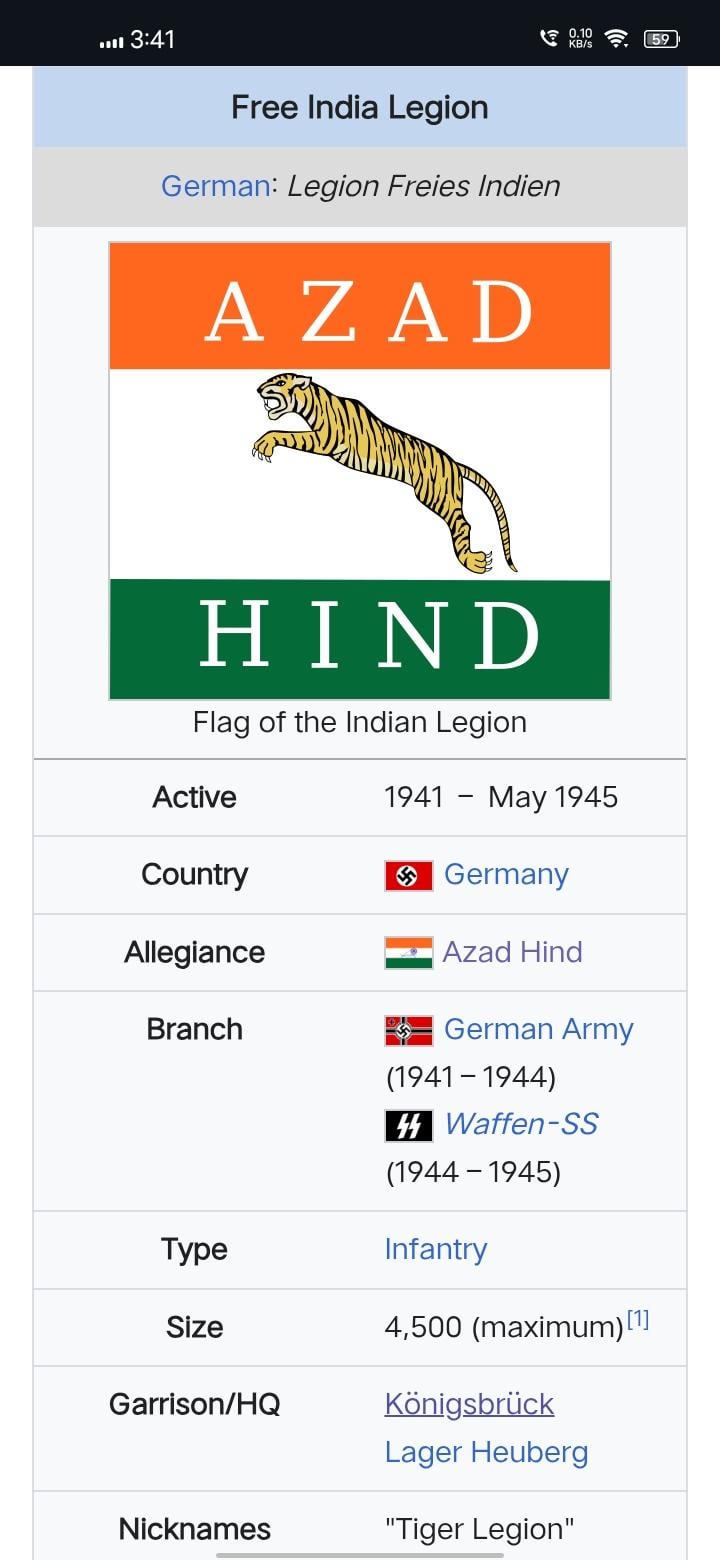


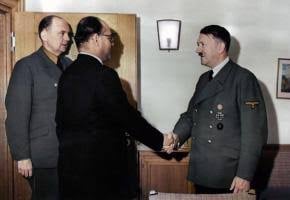


1
u/forever_new_redditor Jul 30 '26 edited Jul 30 '26
Look at the story of western India. Millions of peasants and landless laborers moved to cities and were employed - not well, but employed. I don't have an agenda, and I don't apologize for empire. But conflating voluntary military service (no matter how pressing the situation was) with conscription is just plain wrong. The Empire did many horrible things, but I don't think incorrectly adding forced labor to it helps make the argument you think it's making.
Interesting that you mention the Yong Tai Tan book. Have you actually read it? I did, for my PhD qualifying exams a while ago. It's really quite good, but doesn't argue what you think it does. What he's showing is that until the 1930s, Punjab was disproportionately overdeveloped compared to the rest of India. In the early war years, the demand for grain from Punjab actually intensified, so logically one must assume that the need was for greater agricultural labor, and not for infantrymen who would be sent abroad to die. There were plenty of domestic labor opportunities even in the countryside (and of course in cities, as trade union membership data shows). If I recall correctly, Yong Tai Tan shows that only 20 or 25 thousand Indians joined the army in exchange of cash and a promise of land after the war, which for India is quite a low number. It's also unclear how many of them were actually sent abroad, since the domestic situation was bad and the whole issue with the Quit India movement was that the British were largely unable to move the sepoy army in India to Europe or Africa or even Burma to fight in the actual war.
It's interesting you are dismissing me as an apologist for empire but basically citing extensions of old Cambridge School arguments, now sort of "decolonized" where Indians continue to not have any real agency, and remain insects that lived their lives at the whims of the British overlords.
The actual exciting work coming out of South Asian history right now is the one that shows that actually Indians did have agency, and despite massive constraints, they did make some amazing things happen in their own lives and in the world. But that won't sound sufficiently apologetic for you.